
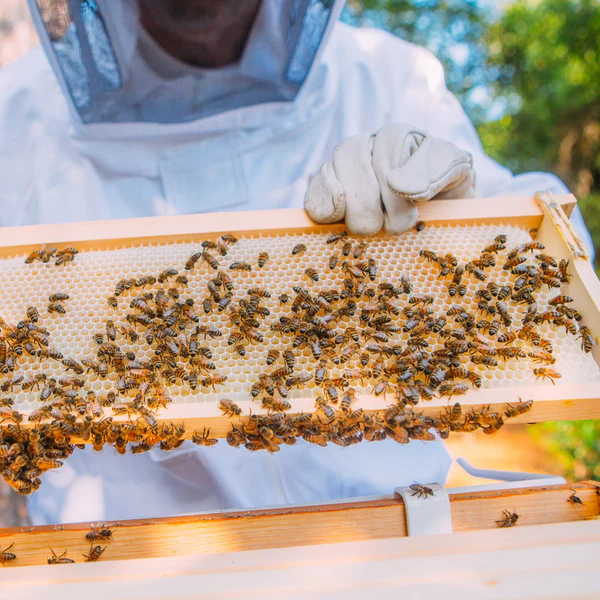
Understanding Beekeeping: The Basics
Beekeeping, often referred to as apiculture, has a rich history that dates back thousands of years. This practice not only contributes to honey production but also plays a crucial role in environmental sustainability. Bees are vital pollinators, aiding in the reproduction of many plants and ensuring biodiversity. The decline in bee populations has raised alarms, making beekeeping increasingly important for maintaining ecological balance.
There are various types of beekeeping practices, including hobbyist, sideline, and commercial. Hobbyist beekeepers maintain a few hives primarily for personal enjoyment and honey production, while sideline beekeepers operate on a larger scale but not as their primary source of income. Commercial beekeepers, on the other hand, manage numerous hives and rely on them for a substantial portion of their livelihood, often involving services such as pollination for agricultural crops.
Common misconceptions about bees can hinder one’s understanding of their behavior. Many people perceive bees as aggressive or threatening when, in fact, they are generally docile when left undisturbed. Understanding the roles of different bee types can clarify their behavior. Worker bees are sterile females tasked with foraging, hive maintenance, and caring for the brood. Drones are male bees whose primary role is mating with a queen, while the queen is the colony’s reproductive figure, capable of laying thousands of eggs daily.
The structure of a bee colony is complex and cooperative. Each bee has a specific function, contributing to the overall success of the hive. By grasping these essentials of beekeeping, aspiring beekeepers can prepare themselves for the responsibilities and rewards that come with maintaining a healthy apiary. This foundational knowledge establishes a solid base from which new beekeepers can build their understanding and practices in this rewarding endeavor.
Essential Gear and Equipment for Beginners
Starting with beekeeping requires an understanding of essential gear and equipment that will enhance your experience and ensure the safety of both you and your bees. The foundation of your beekeeping venture lies in the choice of a beehive. There are several types available, such as Langstroth, Top-Bar, and Warre hives. The Langstroth hive is predominantly favored among beginners due to its modular design, which allows for easy management and expansion.
In addition to a proper beehive, protective clothing is crucial. A basic beekeeping suit, gloves, and veil will provide necessary protection against bee stings while working around your hive. It is advisable to invest in well-fitting gear to ensure comfort and safety. Remember, the bees can sense your movements, and wearing loose clothing could lead to stings if bees become agitated.
Another important aspect of beekeeping gear includes hive tools. Essential tools such as a hive tool, smoker, and bee brush aid in managing your colony. The hive tool is invaluable for prying apart frames and scraping away excess wax or propolis. The smoker produces smoke, which calms the bees, facilitating inspection and maintenance of the hive without excessive disturbance. A bee brush should be used gently to encourage bees to move away from surfaces without harming them.
Additionally, newcomers should consider feeding options for their bees, especially during periods of low nectar availability. Syrup feeders can be utilized to provide bees with the nutrients they need to thrive. When selecting equipment, prioritize quality to ensure long-lasting use, and consider purchasing from reputable beekeeping suppliers. There are budget-friendly alternatives available for beginners, such as purchasing used equipment or sourcing from local beekeeping associations. This approach can help facilitate your entry into the world of beekeeping, allowing you to focus on cultivating a successful apiary.
Choosing the Right Location and Bees
When embarking on the journey of beekeeping, one of the first and most critical decisions is selecting an appropriate location for your beehives. The chosen site should provide optimal conditions for bee health and productivity. Start by considering the amount of sunlight your location receives throughout the day. Ideally, beehives should have access to morning sunlight, as it helps in warming the hive and encourages foraging bees to start their day early. However, ensure that the hives are not in direct sunlight during the hottest part of the day, as this can overheat the colonies.
Wind protection is another essential factor. Beehives should be situated in a sheltered area, such as behind trees or fences, to shield them from harsh winds. This protection not only keeps the bees comfortable but also prevents difficulties in foraging due to strong gusts. Additionally, proximity to reliable food sources is crucial. Look for areas with flowering plants, trees, and shrubs to provide sufficient nectar and pollen throughout the seasons, greatly benefiting the bee population.
It is also important to consider the distance from human dwellings. Placing beehives too close to homes or busy areas can lead to potential annoyances, or worse, bee-related incidents. A minimum distance of 30 feet from pathways and residential areas is advisable to ensure safety and harmony between your bees and neighbors.
In terms of bee species, beginners are often encouraged to start with Italian or Carniolan bees. Italian bees are known for their gentle temperament, prolific honey production, and adaptability to diverse climates. On the other hand, Carniolan bees exhibit excellent foraging capabilities and are resistant to cold weather. While both species have their unique advantages, careful consideration of environmental conditions and personal preferences will guide you in selecting the best bees for your apiary. This decision will significantly contribute to your beekeeping success.
Managing Your Hive: Basic Care and Maintenance
Effective hive management is critical to maintaining a healthy and productive colony. Regular inspections are one of the key practices that beginners must adopt to keep their bees thriving. It is advisable to conduct these inspections every 7 to 10 days during the active season. This allows beekeepers to observe the overall health of the hive, check for adequate food supplies, and look out for signs of diseases or pests. A thorough examination of frames can reveal a range of issues, from queen productivity to the presence of harmful pests such as Varroa mites.
Monitoring for pests and diseases is another essential aspect of hive care. Beekeepers should familiarize themselves with common threats like American foulbrood or Nosema and be prepared to take action. Using screened bottom boards can help reduce pest populations, while incorporating Integrated Pest Management (IPM) strategies will facilitate a more sustainable approach to pest control. Regular monitoring and early detection can prevent a minor issue from escalating into a devastating problem.
Feeding your bees is especially important during periods of dearth or in the early spring, when resources may be limited. A sugar syrup mixture can serve as an effective supplement to ensure the bees have enough energy to thrive. Seasonal management tasks are necessary for the success of your apiary. In the fall, beekeepers should ensure their hives have adequate stores for winter, while in the spring, they may need to manage swarming and expand the hive’s space if necessary.
Keeping meticulous records of inspections, assessments, and interventions will not only help you track your hive’s progress but also serve as a valuable reference in the future. Handling bees safely is paramount; always approach your hive calmly, and wear protective gear. Knowing when to intervene is a skill that develops with experience, so observation and patience are key. With time, you will gain the confidence needed to manage your hive effectively and enable your bees to flourish.