The Ultimate Guide to Proper Care for Your Pet Toys
Understanding the Importance of Pet Toy Care
The care and maintenance of pet toys are essential components of responsible pet ownership. Ensuring that your furry companions have clean and well-maintained toys not only safeguards their health but also prolongs the life of these beloved items. Pet toys often serve as a primary source of entertainment, mental stimulation, and comfort; thus, their hygiene is paramount. Bacteria, parasites, and dirt can accumulate on toys over time, presenting health risks such as infections or gastrointestinal issues. Regular cleaning can significantly mitigate these risks, ensuring that pets engage with safe and hygienic playthings.
Additionally, maintaining your pet’s toys can help to prolong their lifespan. Most pet toys are designed for durability, but neglecting their upkeep can lead to wear and tear, reducing their utility and potentially necessitating premature replacement. By adopting a routine of cleanliness and inspection for damages, pet owners can extend the functional lifespan of these products, maximizing value and minimizing waste. Incorporating simple maintenance practices, such as washing or sanitizing, can make a difference in both longevity and safety.
It is essential to consider the various materials used in pet toys, as these materials dictate the maintenance requirements. For instance, plush toys typically require more delicate washing methods compared to rubber or plastic toys, which can often be cleaned with more vigorous procedures. Understanding the material composition of your pet’s toys allows for informed choices regarding their cleaning methods and intervals, tailoring care to meet specific needs. Ultimately, a conscientious approach to pet toy care not only enhances your pet’s enjoyment and safety but also contributes to a healthier environment for your furry friends.
Daily Maintenance Tips for Pet Toys
Maintaining pet toys is essential for ensuring the health and safety of your beloved companions. A routine of daily maintenance can significantly extend the lifespan of toys, while also providing a safer play environment for pets. Depending on the type of toy, specific care practices should be applied to promote hygiene and protect the materials.
For plush toys, it is vital to inspect for any fraying seams or loose pieces that could pose a choking hazard. Regularly checking for wear and tear can help identify toys that may no longer be safe. Cleaning plush toys often involves machine washing them on a gentle cycle, followed by air drying to retain their shape. If machine washing is not an option, spot cleaning with a pet-safe detergent can be effective. Moreover, it is advisable to supervise pets while they are playing with plush toys to mitigate the risk of them tearing apart the fabric.
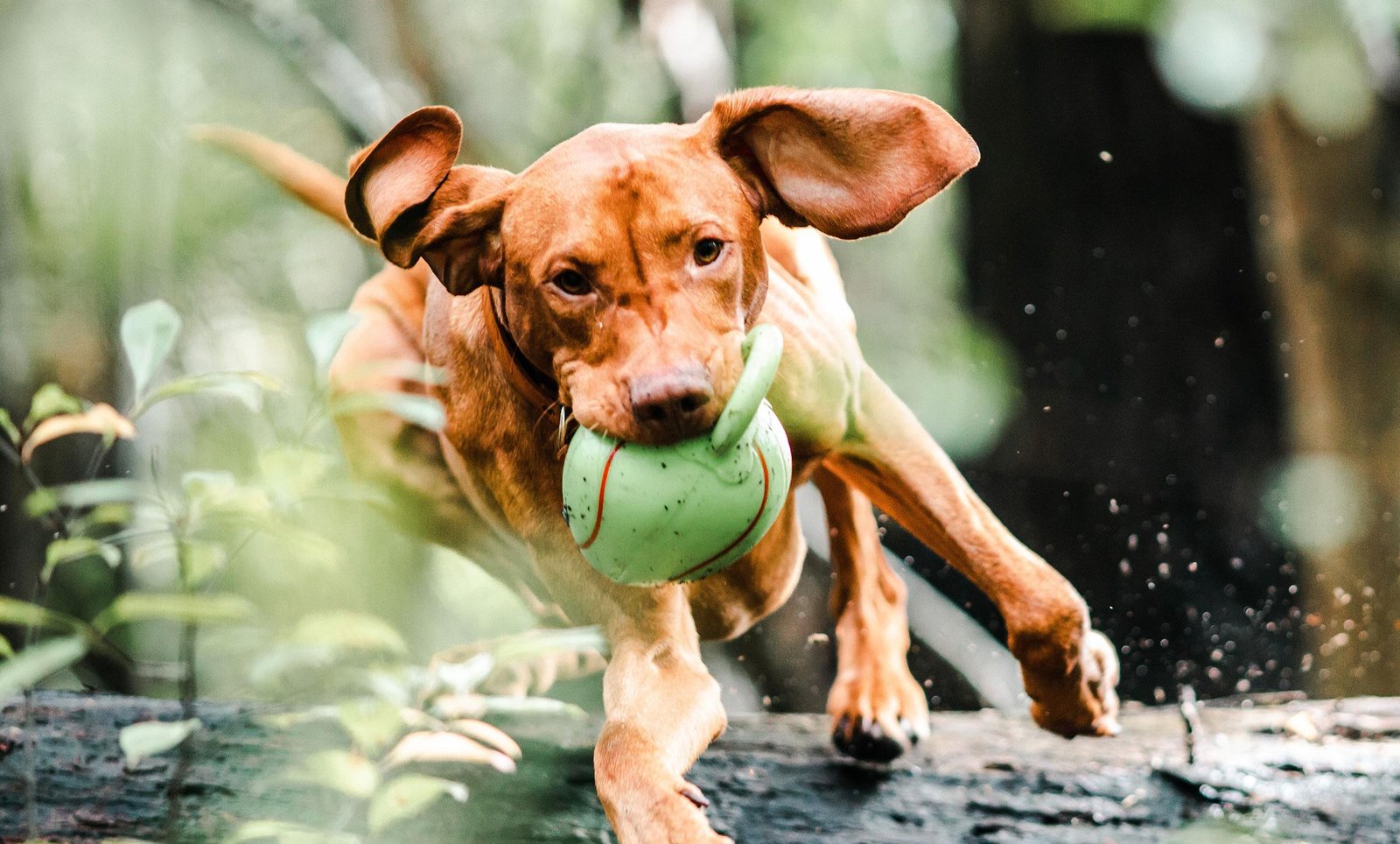
Rubber toys require a different maintenance approach. These toys should be rinsed regularly under warm water to remove dirt and slobber. It is important to check for cracks or signs of degradation, as damaged rubber can crumble and create choking hazards. Some rubber toys are dishwasher-safe, making them easy to sanitize thoroughly after muddy or muddy play sessions. Ensuring rubber toys are stored in a clean, dry place will also prevent bacteria from building up.
Interactive toys, which often include digital components, should be looked after with care. Daily inspection for dust and ensuring that batteries are charged or replaced as needed is essential for optimal functioning. These toys can often be wiped down with a damp cloth to maintain cleanliness. Storing interactive toys in a designated area, away from excessive moisture, will help enhance durability.
By diligently implementing these daily maintenance tips, pet owners can provide healthy and safe playtime for their pets, ensuring their toys remain enjoyable and hygienic for extended periods.

Deep Cleaning and Sanitizing Your Pet’s Toys
Proper care for your pet toys is essential for maintaining the health and safety of your pets. Deep cleaning and sanitizing should be a regular part of your pet care routine, as toys can accumulate dirt, bacteria, and harmful residues over time. Depending on the material of the toy, there are several methods available for effective cleaning.
For fabric toys, washing them in a washing machine is often the easiest and most effective method. Utilize a gentle, pet-safe detergent, and opt for the gentle cycle to prevent any damage. It is advisable to wash these toys once every week or two, especially if your pet plays with them frequently. Additionally, air-drying is recommended over using a dryer, as it helps retain the shape and structure of the toy.
For plastic or rubber toys, a mix of warm soapy water can be used for cleaning. Scrub the toys with a medium-bristle brush to remove any stubborn grime, ensuring every crevice is reached. After scrubbing, rinse thoroughly to eliminate any soap residue, which can be harmful to your pets. Boiling these toys for a few minutes is another effective method for deep sanitizing, as it helps kill bacteria without using harsh chemicals.
Pet-safe disinfectants can also be an excellent option for sanitizing toys, especially in cases where pets have been sick. Look for products specifically designed for pet care that are free from toxic ingredients. After applying the disinfectant, ensure that toys are thoroughly rinsed and dried before returning them to your pet.
When cleaning toys, consider the materials used and the potential for damage. Regular maintenance not only prolongs the life of the toys but also safeguards your pet against harmful contaminants. Regularly inspecting toys for signs of wear and tear will inform you when it’s time to replace or discard them. Prioritizing the cleaning and sanitization of your pet’s toys is crucial for their overall health and well-being.
When to Replace Your Pet’s Toys
Understanding when to replace your pet’s toys is essential for ensuring their safety and well-being. Over time, toys can become worn and damaged, presenting hazards that can affect your pet’s health and happiness. Some key signs that indicate a toy needs replacement include visible wear and tear, such as frayed edges, noticeable cracks, or pieces that are missing. When a toy starts to lose its intended shape or functionality, it is a good indication that it may no longer be safe for use. Additionally, if your pet exhibits excessive chewing on a specific toy, it may lead to swallowing dangerous materials or small parts, resulting in potential choking hazards.
Outdated toys can also impact your pet’s mental stimulation and physical activity. Toys that do not engage your pet or are no longer interesting can lead to boredom, which may promote destructive behavior as they seek other activities. It is crucial to regularly assess your pet’s toys and consider their age; toys that are faded or have lost their texture may not provide the same level of engagement and interaction. Replacing these items with new, stimulating options can enhance your pet’s playtime experience, ensuring they remain active and entertained.
When disposing of old toys, safety is paramount. Always follow proper disposal guidelines, ensuring broken toys are disposed of in a manner that prevents your pet from accessing them. For eco-friendly options, consider donating gently used toys to animal shelters or looking for biodegradable alternatives that can reduce environmental impact. By recognizing the signs of toy wear and following best disposal practices, you can ensure your pet enjoys safe, engaging playthings that contribute to their overall health and happiness.